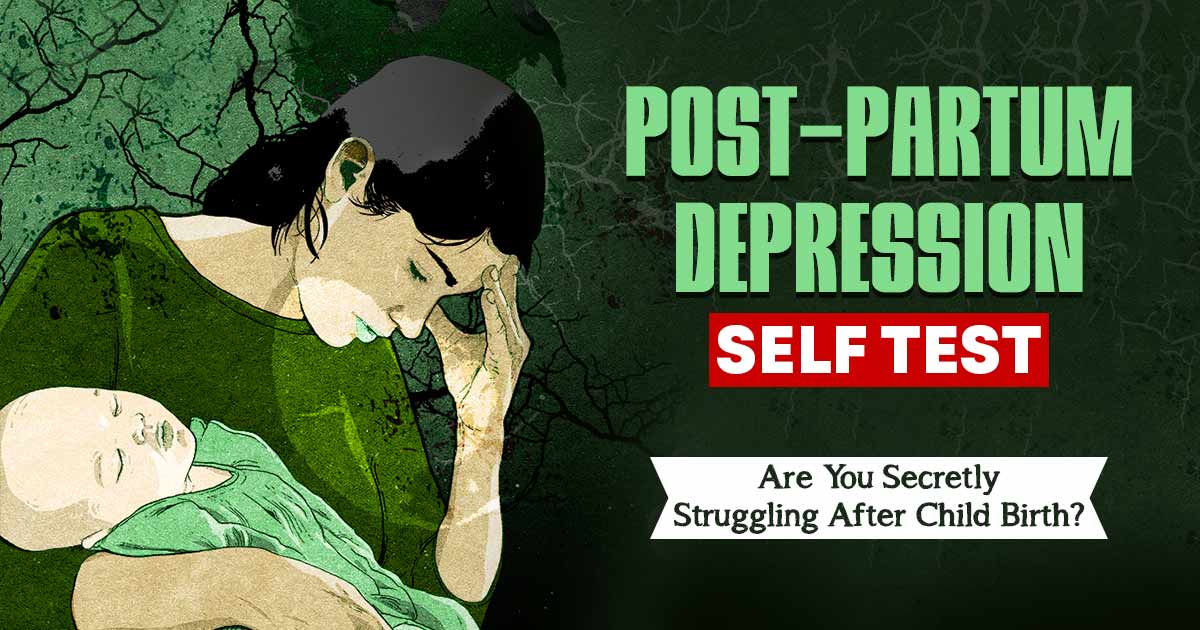
Are you having a difficulty to recognize or to admit being depressed or anxious during pregnancy or postpartum? Use this online Postpartum Depression Test to better decide whether you ought to see a mental health specialist for the diagnosis and care of your postpartum depressive symptoms.
What is Postpartum Depression?
Postpartum depression (PPD) is a type of major depression that affects many women after giving birth. It usually begins within four weeks of giving birth. Also known as postnatal depression, PPD is a type of mood disorder that manifests as a complex mix of emotional, behavioral and physical changes in new mothers.
Postpartum depression is believed to be caused by the chemical and psychological changes that occur inside a woman’s body while having a baby. Chemical changes involve the sudden change in the hormone levels inside a woman’s body.
During pregnancy, the hormones estrogen and progesterone are at an all-time high, but within a few days of delivery, these hormones drop to what it was before pregnancy. Many women develop “baby blues”, but in some cases, depression is more severe. Although it is mostly observed in women, this type of depression can affect new dads too.
Studies show that new dads are prone to depression during the first year of becoming a father. People affected by this condition experience intense sadness, anxiety, low energy, sleeping problems, despair and irritability, which may affect their ability to take care of the infant and perform daily tasks.
The treatment and recovery of PPD largely depend on the type of symptoms, the severity of the condition, and the personal needs of the patient. Therapy, medication and participation in support groups are the primary modes of treatment available for postpartum depression.
Instructions For Taking Postpartum Depression TestOnline
A list of questions is given below that relate to life experiences common among people who have symptoms of postpartum depression. Please read each question carefully, and indicate how often you have experienced the same or similar challenges in the past few months.
Time limit: 0
Quiz Summary
0 of 15 Questions completed
Questions:
Information
You have already completed the quiz before. Hence you can not start it again.
Your responses to this postpartum depression screening test in a manner that indicates you are not suffering from postpartum depression. “Baby blues” affect a lot of women but usually don’t last for more than a week or two after delivery. You may have sudden mood swings, feel cranky and cry without any reason. “Baby blues” don’t require therapy. Joining a support group of new moms can significantly help in coping with the symptoms.
Want to learn more?
Are you showing the symptoms of postpartum depression? Postpartum depression is often manageable with a combination of treatments, including medications and psychotherapy. You may feel like every day is a challenge, but things are going to get better. Our team of qualified practitioners can help determine whether there is a problem that needs urgent treatment. Please contact our psychologists for a full and accurate diagnosis.
You can use our Mood Tracker to stay mindful of your mood every day, and identify your innermost thoughts & emotions on a daily basis. It will help you in doing the things you love while limiting activities that might dampen your mood.
Low Levels Of Postpartum Depression
Your answers to this postpartum depression screening test indicate that you are showing some early signs of postpartum depression. Your responses are similar to those who experience mild symptoms of postpartum depression. This includes symptoms such as sadness, despair, crankiness, changes in sleep patterns, trouble in making decisions, worry you won’t be a good mom, and loss of interest in things you enjoyed. If PPD is not treated, symptoms can get worse and affect your day-to-day functioning. Without further delay, start a dialogue with a mental health specialist. Finding the correct recovery plan and working with your healthcare provider will help you control your symptoms.
Want to learn more?
Are you showing the symptoms of postpartum depression? Postpartum depression is often manageable with a combination of treatments, including medications and psychotherapy. You may feel like every day is a challenge, but things are going to get better. Our team of qualified practitioners can help determine whether there is a problem that needs urgent treatment. Please contact our psychologists for a full and accurate diagnosis.
You can use our Mood Tracker to stay mindful of your mood every day, and identify your innermost thoughts & emotions on a daily basis. It will help you in doing the things you love while limiting activities that might dampen your mood.
High Levels Of Postpartum Depression
Your answers to this postpartum depression screening test indicate that you’re showing some of the more severe signs of postpartum depression. Your responses are similar to those who experience higher levels of postpartum depression. This includes symptoms such as weight gain or weight loss, feeling suicidal, depression or fear, insomnia, mood swings, and panic attacks. Postpartum depression is a serious condition and needs to be treated with proper medication and counseling. You need treatment right away. Get in touch with one of our mental health specialists for a full diagnosis and guidance on the subsequent steps. Finding the correct recovery plan and working with your healthcare provider will help you control your symptoms.
Want to learn more?
Are you showing the symptoms of postpartum depression? Postpartum depression is often manageable with a combination of treatments, including medications and psychotherapy. You may feel like every day is a challenge, but things are going to get better. Our team of qualified practitioners can help determine whether there is a problem that needs urgent treatment. Please contact our psychologists for a full and accurate diagnosis.
You can use our Mood Tracker to stay mindful of your mood every day, and identify your innermost thoughts & emotions on a daily basis. It will help you in doing the things you love while limiting activities that might dampen your mood.